고정 헤더 영역

상세 컨텐츠
본문
반응형
Election Booklets Cost Hundreds of Billions of Won, Yet Many Are Discarded Unread
📍Debate Over the Effectiveness of Printed Campaign Materials Resurfaces Ahead of the June 3 Local Elections
As South Korea prepares for the June 3 nationwide local elections, increasing numbers of printed election booklets delivered to households are being discarded without being read. Although hundreds of billions of won in public funds are spent during every election cycle, many voters either skim the materials or throw them away unopened. The trend has reignited calls to reconsider the mandatory distribution of printed election materials and expand the use of digital alternatives.
🔹 Election Materials Left Unopened and Thrown Away
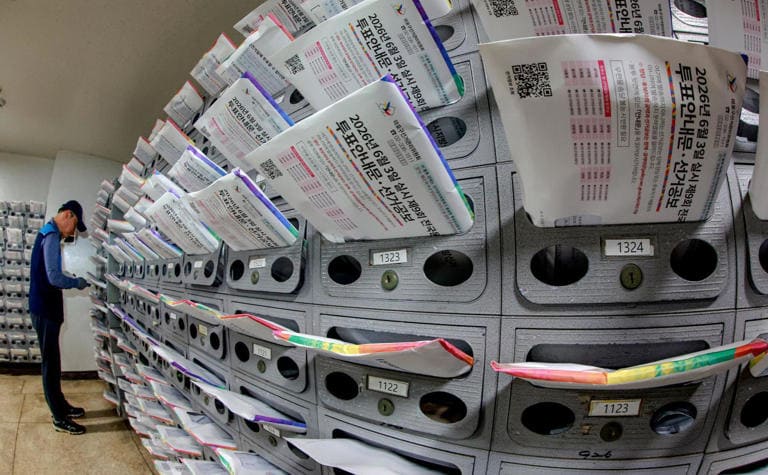
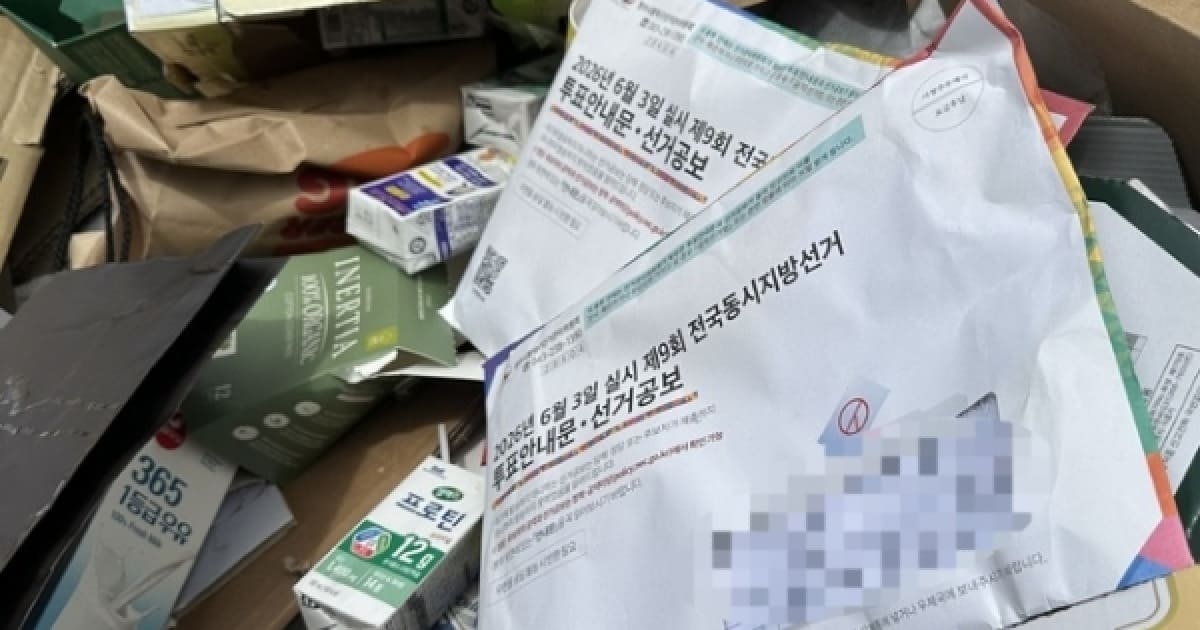
In an officetel building in Yeongdeungpo District, Seoul, dozens of envelopes containing election booklets were found piled beneath mailboxes without being opened. Some residents were seen taking the materials directly from their mailboxes and disposing of them immediately.
Lee Su-jin, a 29-year-old office worker, said she discarded the booklet as soon as it arrived, adding that she could not understand why taxpayer money was being spent on materials that many people never read. Choi Ye-na, a 27-year-old daycare teacher living in Busan, expressed a similar view, saying that voters can easily access candidates’ information and campaign pledges online and therefore see little need for printed materials.
Election booklets are official documents submitted by candidates to election authorities so that voters can compare candidates’ backgrounds, policies, and campaign promises. Under South Korea’s Public Official Election Act, these materials must be mailed to every household at least ten days before election day.
For the upcoming local elections, voters across the country have received numerous campaign booklets from candidates running for governor, mayor, county chief, and local council positions. However, questions continue to be raised about whether the materials are actually being used by voters.
🔹 Only 11 Percent Read Them Carefully
Survey data suggest that most voters do not fully utilize printed election materials.
According to a survey conducted by the Korean Government Employees’ Union between February 26 and March 31 involving 6,820 voters nationwide, only 11.4 percent said they read election booklets carefully.
The largest group, 52.2 percent, said they merely skimmed through the materials. Another 17.5 percent said they did not read them at all, while 18.8 percent reported throwing away the envelopes without opening them.
In other words, nearly nine out of ten respondents admitted that they do not actively use the printed materials, raising concerns about whether the substantial public spending involved is justified.
🔹 Hundreds of Billions of Won Spent Every Election
The cost of producing and distributing election booklets is considerable.
According to the National Election Commission, approximately 580 million copies of campaign materials were produced during the 2022 local elections. Mailing expenses alone amounted to roughly 29.9 billion won, excluding printing and production costs.
Related expenditures reached approximately 32 billion won during the presidential election held the same year. For the 21st presidential election held last year, around 37 billion won was allocated for similar purposes.
The number of registered candidates in this year’s local elections increased to 7,829, up by 213 compared with the previous local elections. As a result, the volume of campaign materials and associated distribution costs are also expected to rise, with total mailing expenses projected to exceed 30 billion won.
These figures do not include the printing expenses borne by candidates themselves. Candidates finance campaign materials within legally permitted spending limits, and the government later reimburses qualified candidates based on election results.
🔹 Candidates Also Face Financial Pressure
The cost burden is not limited to taxpayers.
Some candidates have reduced the size of their printed materials or replaced portions of their policy explanations with QR codes that direct voters to online information.
The issue recently surfaced during a televised debate among Gyeonggi gubernatorial candidates. One candidate criticized a rival for providing insufficient policy details, while the rival responded that financial limitations made it impossible to print larger campaign materials.
Smaller political parties and independent candidates often face even greater challenges. In some cases, candidates have distributed campaign materials no larger than a business card because of budget constraints.
Critics argue that such abbreviated materials make it difficult for voters to adequately evaluate candidates and their policies.
🔹 Growing Calls for Digital Alternatives
Calls for introducing electronic campaign materials have continued to grow.
In the same survey conducted by the Korean Government Employees’ Union, 82.7 percent of respondents supported the introduction of digital election booklets. Supporters argue that text messages, email notifications, and online campaign platforms could reduce both public spending and paper waste.
Environmental groups have also highlighted the growing volume of discarded election materials. As the number of candidates increases, the amount of paper waste generated after elections continues to rise.
However, some experts caution against completely abolishing printed materials. Older voters and other digitally vulnerable groups may still rely heavily on physical election booklets to access candidate information.
For this reason, many specialists advocate a hybrid system that allows voters to choose between printed and digital election materials. Others recommend reducing booklet sizes while providing detailed information through QR codes and online platforms, balancing accessibility, cost efficiency, and environmental concerns.

One-line summary : Growing concerns over the low usage of costly printed election booklets ahead of South Korea’s June 3 local elections are fueling calls for digital alternatives and election material reform.
728x90
반응형
그리드형(광고전용)
댓글 영역