고정 헤더 영역

상세 컨텐츠
본문 제목
[26.03.23] $25B War Budget Plan…‘$150 for Bottom 50%’ Aid Controversy
본문
반응형
$25B War Budget Plan…‘$150 for Bottom 50%’ Aid Controversy
📍Reports of $150 aid for bottom 50% denied by presidential office…energy response package under review
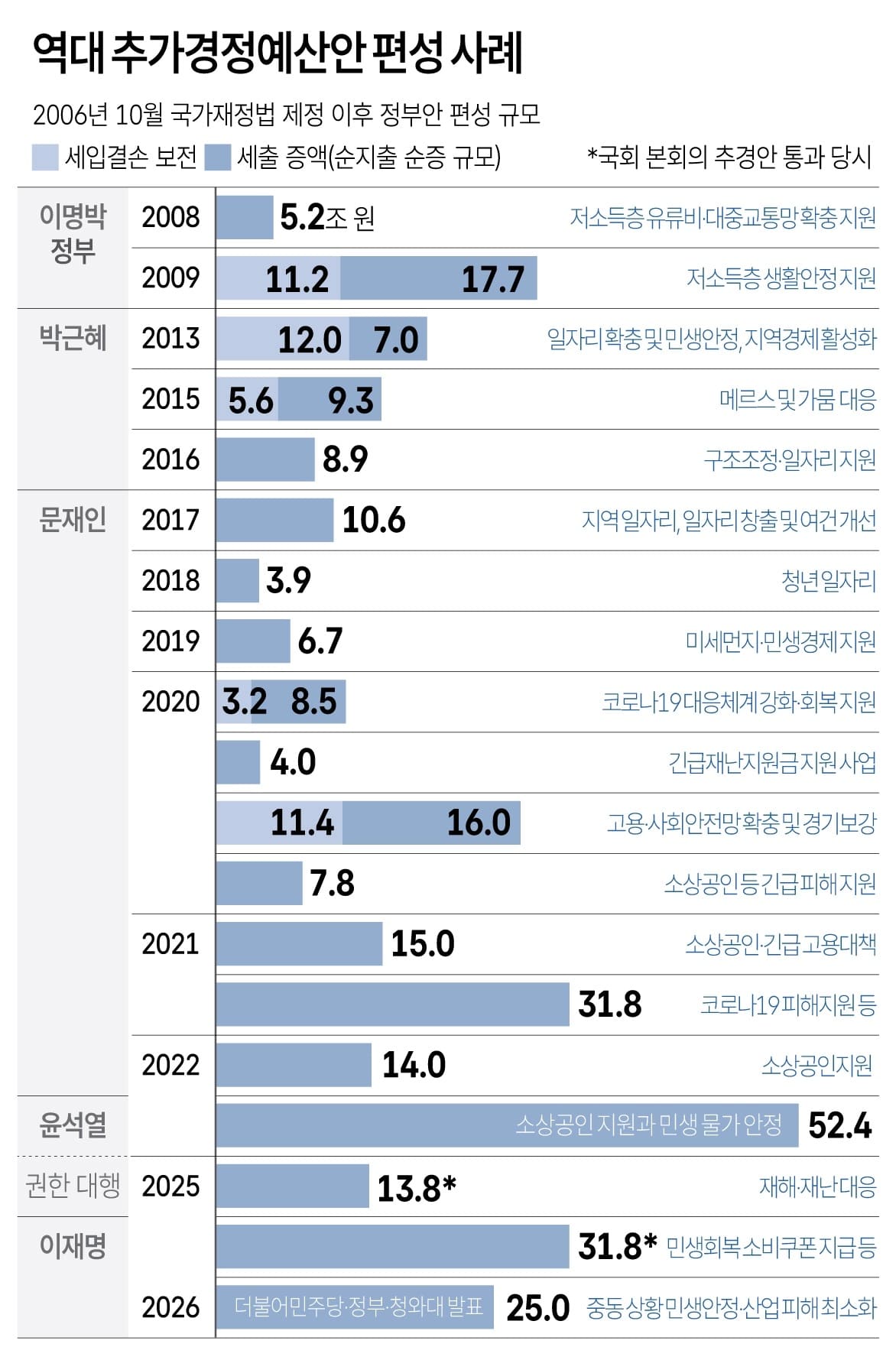
The South Korean government and ruling party are accelerating plans for a roughly $25 billion supplementary budget, dubbed a “war budget,” to address rising energy prices and supply chain risks triggered by Middle East tensions. While a relief package including cash aid has been discussed, confusion has grown after reports suggested payments of $150 per person for the bottom 50% income group. The presidential office immediately denied the report, but discussions over the scope and structure of the budget continue.
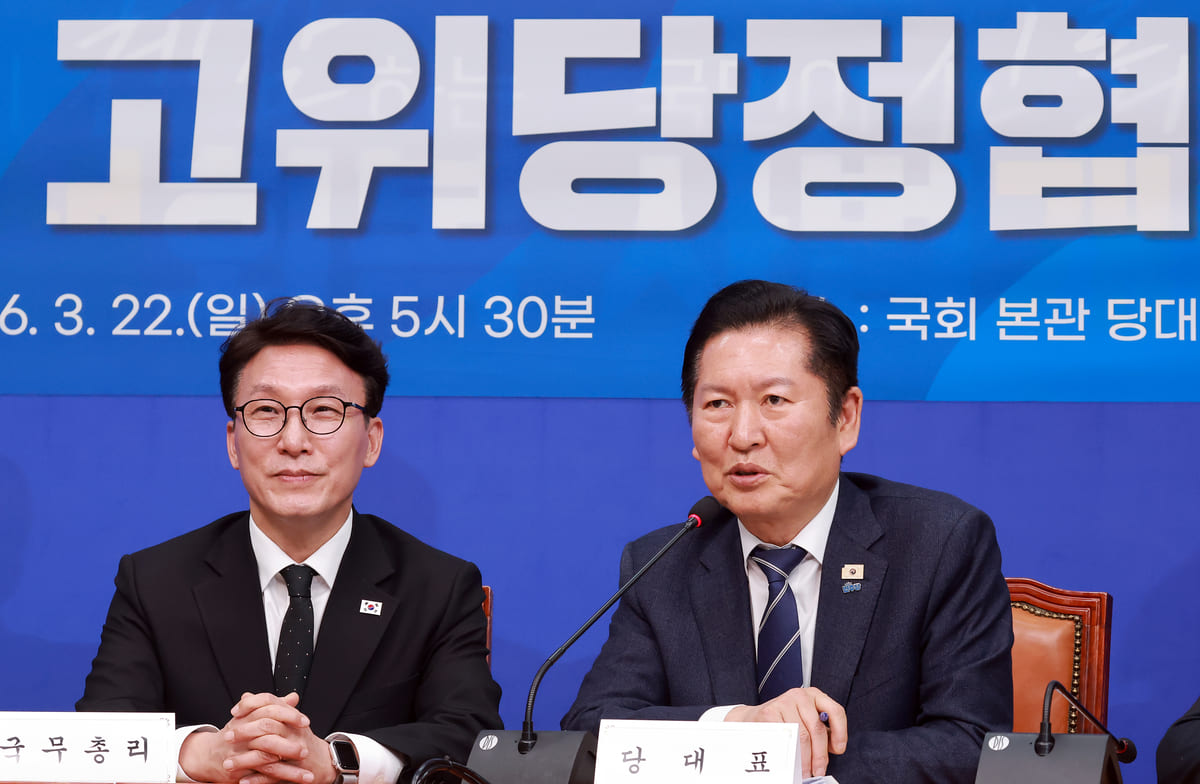
🔹 Focus on Energy Crisis Response
The government is preparing a supplementary budget of about $25 billion to respond to global energy instability and supply chain risks.
The budget aims to stabilize livelihoods while addressing rising costs across industries caused by prolonged high oil prices.
It is expected to include both short-term relief measures and mid- to long-term supply stabilization strategies.
🔹 Three-Pillar Energy Package
Officials are reportedly considering allocating about $10 billion to a “three-pillar energy response package.”
The package includes cash aid, maintaining oil price caps, and expanding energy vouchers for low-income households.
Among these, cash aid is seen as a key tool to boost consumption and support economic recovery.
🔹 $150 Aid Report Denied
Some reports claimed that the government was considering providing $150 per person to the bottom 50% income group.
Additional payments for vulnerable groups and residents in non-metropolitan or depopulating areas were also mentioned.
However, the presidential office denied the report, stating it was not true and urging caution in reporting, emphasizing that no final decision has been made.
🔹 Local Currency Option Considered
If implemented, the aid may be distributed in the form of local currency rather than cash.
This approach is intended to stimulate local economies by ensuring funds are spent within specific regions, supporting small businesses and merchants.
🔹 Oil Price Controls and Energy Support
Maintaining oil price caps is another key measure.
The government is considering increasing fiscal support to compensate refiners while expanding the policy to include tax-free fuel used in fisheries and passenger transport.
Additional energy vouchers for low-income households using kerosene and LPG are also under review.
🔹 Supply Chain and Oil Reserves
The budget is also expected to include supply chain stabilization measures.
Officials highlighted the need to secure key resources and expand oil reserves as a precaution against prolonged geopolitical instability.
🔹 Fast-Track Approval Planned
The government plans to submit the budget within March and seek approval by early April.
Authorities have instructed ministries to prepare for immediate execution once approved.
However, debates over the scope and allocation of funds may complicate the legislative process.

One-line summary : Confusion is growing over potential cash aid as South Korea pushes a $25 billion “war budget.”
728x90
반응형
그리드형(광고전용)
댓글 영역