고정 헤더 영역

상세 컨텐츠
본문 제목
[26.03.22] Seoul Area Waste Returns to Incheon Landfill as Exception Sparks Controversy
본문
반응형
Seoul Area Waste Returns to Incheon Landfill as 163,000 Tons Allowed
📍Exception introduced months after landfill ban…policy rollback and regional tensions resurface
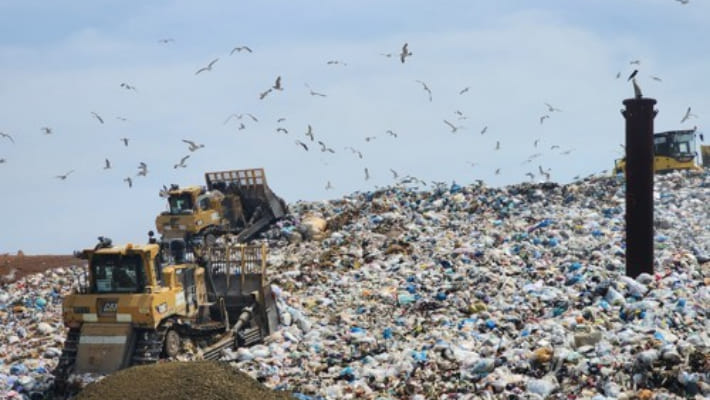
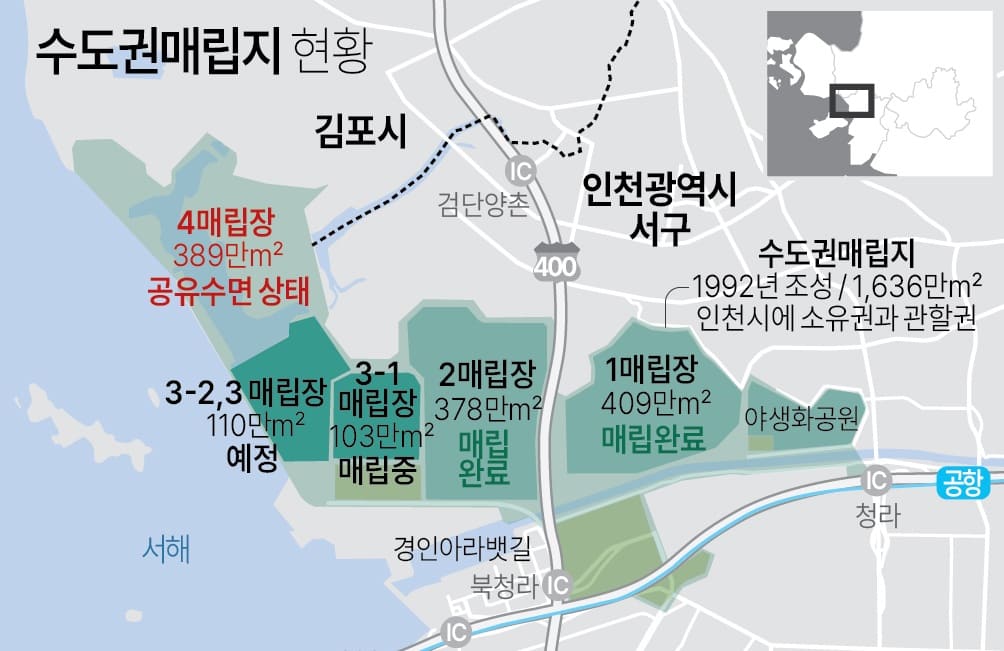
Controversy is growing as an exception to the ban on direct landfill disposal of municipal waste in the Seoul metropolitan area has been introduced just months after its implementation. Waste that had been transported to Chungcheong and Gangwon regions is now returning to the Incheon landfill, raising concerns over policy credibility and reigniting regional conflicts. While the government and local authorities describe the move as unavoidable, criticism is mounting over lack of preparation and inconsistency.
🔹 Policy Effectively Revised
The government and metropolitan authorities have effectively rolled back the landfill ban by allowing exceptions just three months after enforcement.
The environment ministry, along with Seoul, Gyeonggi, and Incheon, decided to allow up to 163,000 tons of municipal waste to be directly landfilled annually during maintenance periods of public incineration facilities.
The decision was approved by the landfill operation committee and took effect on March 23.
🔹 Waste Returns to Incheon
Since January 1, direct landfill disposal in the capital region has been banned, forcing waste to be transported to private incineration facilities in other regions.
This led to waste being moved across regions, including Chungcheong and Gangwon, causing new local conflicts due to capacity limits and resident opposition.
With the new exception, waste is now returning to the Incheon landfill.
🔹 163,000 Tons Allowed
The permitted volume of 163,000 tons accounts for about 31% of the recent three-year average of 524,000 tons.
Allocations are 82,335 tons for Seoul, 35,566 tons for Incheon, and 45,415 tons for Gyeonggi Province.
The three regions are required to reduce landfill volumes by 10% compared to recent averages, with plans for further reductions.
🔹 Legal but Controversial
While landfill disposal is generally prohibited, exceptions are allowed under unavoidable circumstances such as disasters or facility shutdowns.
Authorities justified the decision as necessary due to maintenance of public incinerators.
However, critics argue that the move undermines policy credibility.
🔹 Public Backlash in Incheon
Residents in Incheon have reacted negatively.
They argue that the decision contradicts prior commitments to reduce landfill use and effectively brings waste back to the city.
Concerns have also been raised about whether sufficient public consultation was conducted.
🔹 Lack of Preparation Highlighted
The situation has exposed insufficient preparation by metropolitan governments.
Despite a five-year preparation period, authorities failed to secure enough incineration capacity.
While 27 new incineration plants are under construction with a target completion by 2030, short-term solutions remain lacking.
🔹 Government Justification
Authorities maintain that the measure is unavoidable.
Incheon officials stated that the goal is to ensure stable waste management during facility maintenance and to minimize landfill usage as much as possible.
Debate over policy consistency and regional fairness is expected to continue.
One-line summary : The landfill ban in the Seoul metropolitan area was partially rolled back within three months, allowing waste to return to the Incheon landfill.
728x90
반응형
그리드형(광고전용)
댓글 영역