고정 헤더 영역

상세 컨텐츠
본문
반응형
Court Rules Ministry’s Disciplinary Demand Against Chung Mong-gyu Lawful… KFA Loses Case
📍Violations found in coach appointments, pardons, and subsidies… “within discretionary authority”
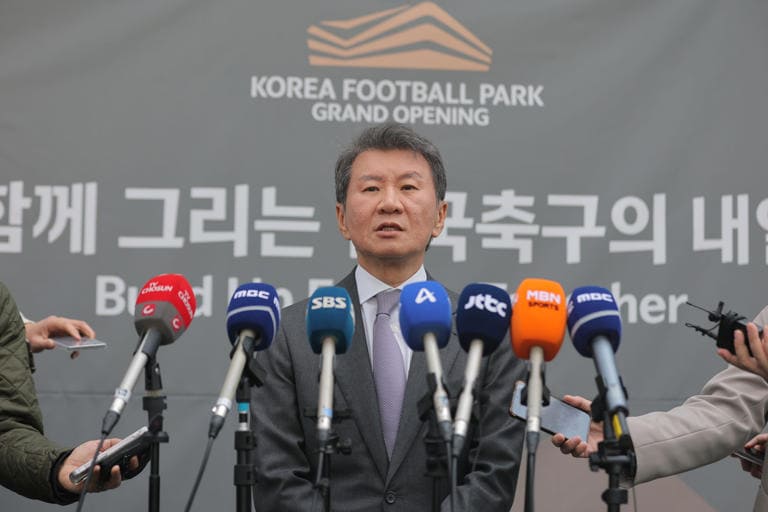
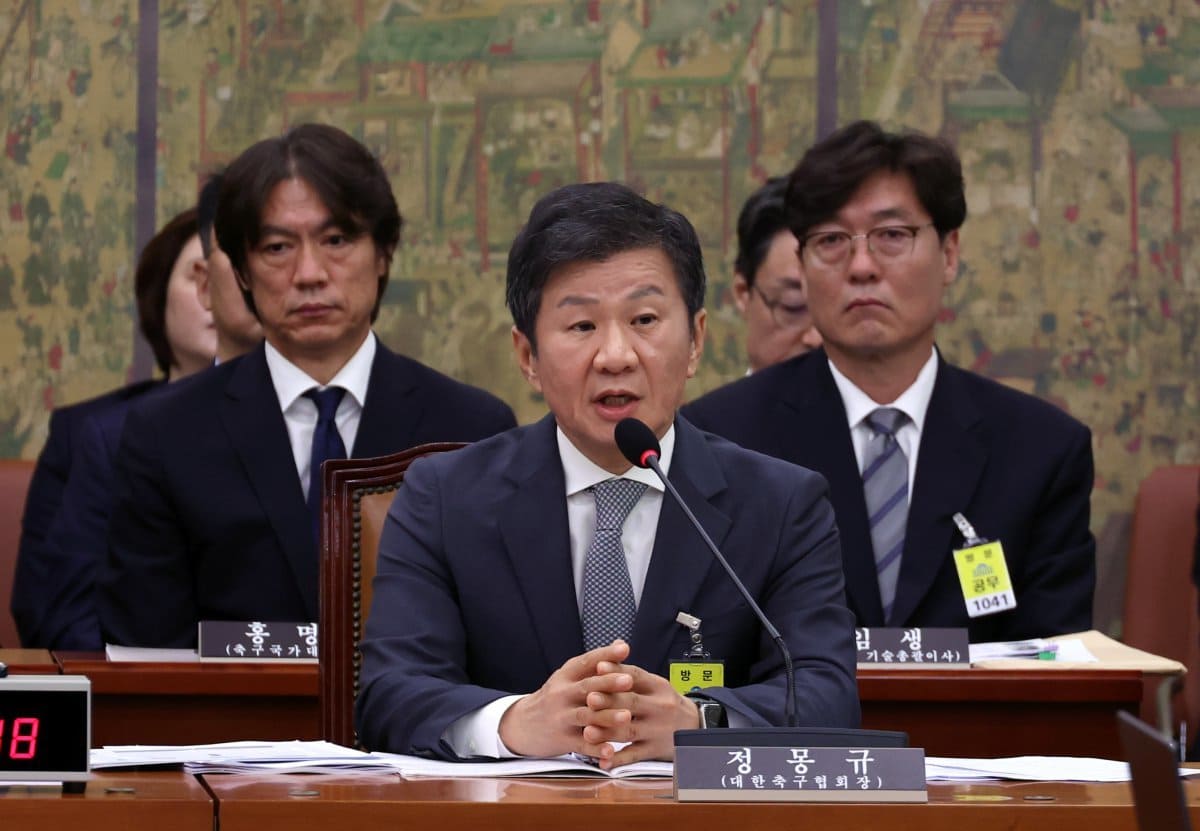
Ministry of Culture Sports and Tourism disciplinary demand against Chung Mong-gyu of the Korea Football Association has been ruled lawful by the court. The court acknowledged issues in key matters including national team coach appointments, the football center project, and pardons of players, stating that the ministry’s actions did not exceed its discretionary authority. However, as the demand lacks direct enforcement power, attention is focused on whether the association will implement it.
🔹 Court recognizes disciplinary demand as lawful
The Seoul Administrative Court ruled on April 23 against the Korea Football Association in its lawsuit seeking to cancel the audit findings and disciplinary demand issued by the Ministry of Culture Sports and Tourism.
The court determined that the ministry’s actions were neither unjust nor unlawful. It also made clear that the level of disciplinary demand did not exceed the scope of administrative discretion.
In particular, the court emphasized that the ministry calculated the disciplinary measures based on the association’s own internal regulations. It explained that even if the association chooses not to comply, the absence of direct enforcement power means that the association’s authority cannot be considered infringed.
As a result, the association’s claims of excessive intervention and abuse of authority were largely rejected.
🔹 Coach appointment controversy highlights governance issues
The court identified procedural problems in the appointment of national team coaches as a key issue.
Regarding former head coach Jurgen Klinsmann, the court pointed out that the authority to recommend a coach was transferred to an external figure instead of being exercised by the designated committee. It viewed this not as a simple procedural mistake, but as a case where the formal decision-making structure was undermined.
The appointment of Hong Myung-bo was assessed in a similar context. The court found that a technical director without proper authority made the recommendation, effectively reducing the board’s authority to a nominal role.
The panel described this as the decision-making authority being “hollowed out,” concluding that the association’s internal governance system failed to function properly.
🔹 Multiple irregularities confirmed across key areas
Beyond the coach appointments, the court acknowledged a range of improper practices identified by the ministry.
In the football center construction project, it confirmed that the association proceeded with loans without prior approval from the ministry, despite the involvement of public funds.
In terms of subsidies, it was found that approximately 5.6 billion won was applied for using false business plans, raising concerns about the credibility of financial management.
The court also ruled that the controversial “footballer pardons” violated regulations. Around 100 current and former players involved in serious misconduct such as match-fixing, bribery, and violence were granted clemency, despite rules prohibiting pardons for individuals with disciplinary records.
Additional issues were identified in advisory payments to non-standing executives and the operation of coaching programs. Overall, many of the ministry’s findings were deemed valid by the court.
🔹 Enforcement deferred…implementation left to association
Although the court upheld the legality of the ministry’s disciplinary demand, it does not immediately lead to enforcement.
A prior court decision granting a suspension of execution means that the disciplinary demand will not take effect for 30 days from the date of the ruling. After that period, the association is expected to implement disciplinary measures, including possible suspension of qualification, and report the results to the ministry unless there are valid reasons not to do so.
However, under the current system, the ministry does not have direct means to enforce compliance. Ultimately, whether the disciplinary action is carried out depends on the association’s own decision.
This case is therefore seen as illustrating both the scope of administrative oversight and the limits of enforcement over autonomous sports organizations.
One-line summary : The court upheld the legality of the disciplinary demand against Chung Mong-gyu, leaving its implementation dependent on the association.
728x90
반응형
그리드형(광고전용)
댓글 영역