고정 헤더 영역

상세 컨텐츠
본문
반응형
[26.08.01] McDonald's S. Korea Abruptly Halts 'Chungju Sticky Corn Burger' Nationwide Over Pebble Complaints — Hits Early Exit Despite 1M Sales Success
McDonald's South Korea has abruptly halted sales of its regional project menu, the 'Chungju Sticky Corn Cheese Croquette Burger.' Following three or more customer complaints about biting into pebble-like hard foreign substances while eating the burger, McDonald's decided on an early, preemptive discontinuation roughly two weeks ahead of its scheduled end date (August 12th) to prioritize customer safety. As a product that had surpassed 1 million units in sales in just three weeks, this sudden halt is sending ripples through the retail industry.
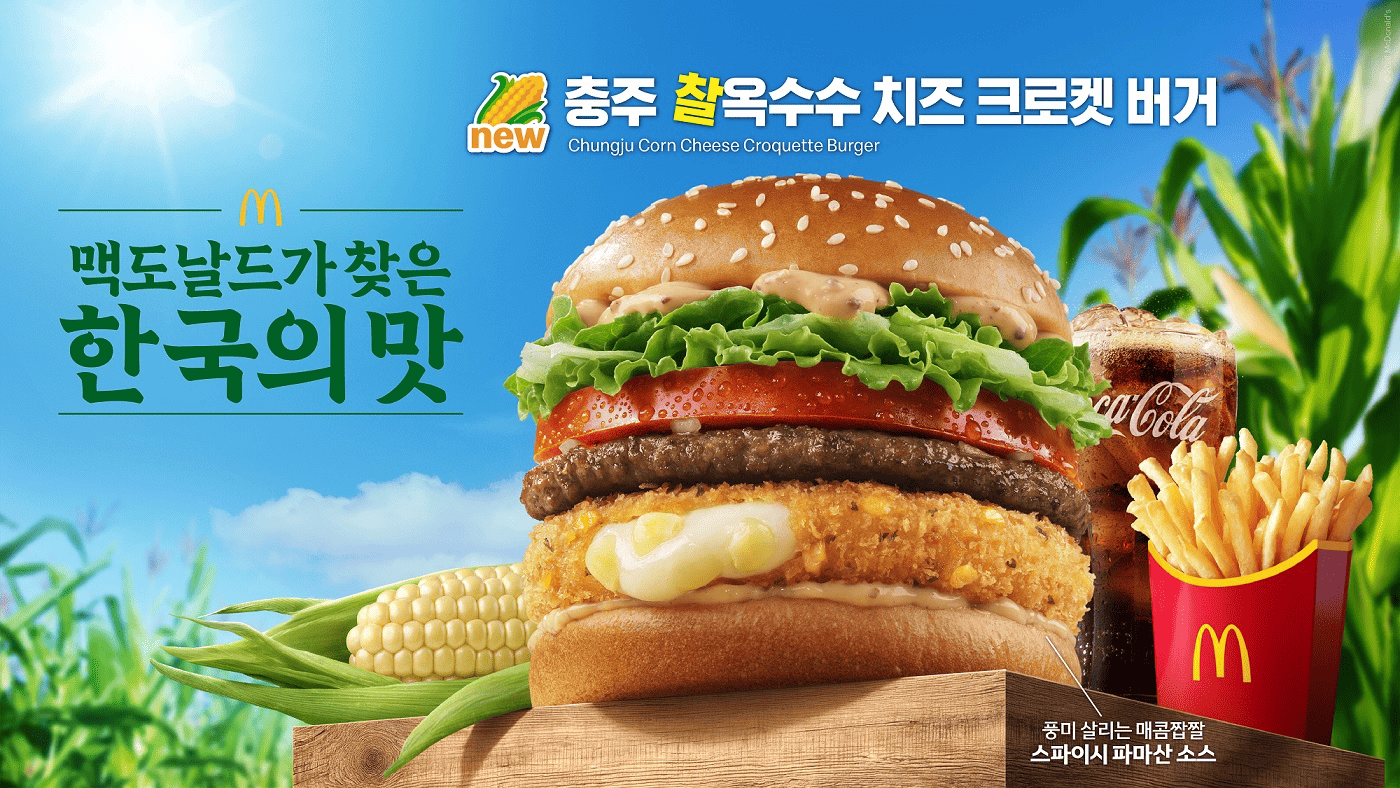
1. "Bit into a Pebble": 3+ Complaints Force McDonald's to End Sales Under 'Customer-First Policy'
According to retail industry sources, McDonald's South Korea issued an urgent directive to all nationwide branches at 8:00 PM on July 30th to immediately cease sales of the 'Chungju Sticky Corn Cheese Croquette Burger,' officially finalizing the end of sales as of July 31st. All promotional banners and digital notices regarding the item have since been completely removed from McDonald's official website and mobile app.
This sudden withdrawal was prompted by product safety issues. McDonald's revealed that three or more complaints were received regarding hard, stone-like foreign objects bitten into within the corn croquette patty of the burger.
McDonald's South Korea implemented its preemptive 'customer-first policy' protocol, which dictates an immediate sales halt whenever three or more identical quality or safety complaints occur, opting for an early withdrawal rather than fulfilling the scheduled limited-edition sales period.
The abrupt halt order initially sparked confusion and speculation among store staff who were uninformed of the exact cause at the moment the directive was delivered. McDonald's chose to apply protocol immediately in an effort to minimize consumer safety anxiety. This swift action reflects headquarter's zero-tolerance stance toward safety risks.
Preemptive Safety Protocol Triggered! Receiving 3+ complaints about pebble-like objects prompted an immediate nationwide sales halt and full removal of promotional materials under safety protocols.
2. 1 Year in Development & 1M+ Sales Hit: 'Taste of Korea' Project Suffers Setback
The discontinued burger was the sixth menu offering under McDonald's flagship ESG local partnership campaign, the 'Taste of Korea' project. It was officially launched on July 9th after a year of consumer testing and purchasing 25 tons of sticky corn sourced directly from farms in Chungju, North Chungcheong Province.
Featuring a mozzarella cheese croquette packed with whole sticky corn kernels, the menu received positive reviews for its chewy texture and surpassed 1 million units in sales within just three weeks of release. McDonald's had even released limited-edition clicker merchandise featuring 'Chungju-ssi,' the official mascot of Chungju City, as part of its marketing campaign.
Originally scheduled to be available until August 12th, the product faced an unexpected early exit less than a month after launch due to raw material safety concerns.
Because it was a highly anticipated model for regional farm partnerships, the disappointment surrounding this early exit is particularly significant. The expected marketing synergy generated through the collaboration with Chungju City has inevitably been cut short. Brand image may also face a temporary blow following the interruption of a product that took over a year of meticulous development.
Unexpected Exit Amid Sales Boom! Despite a year of development, 1 million sales, and mascot merchandise success, foreign object complaints forced the menu off the market 2 weeks early.
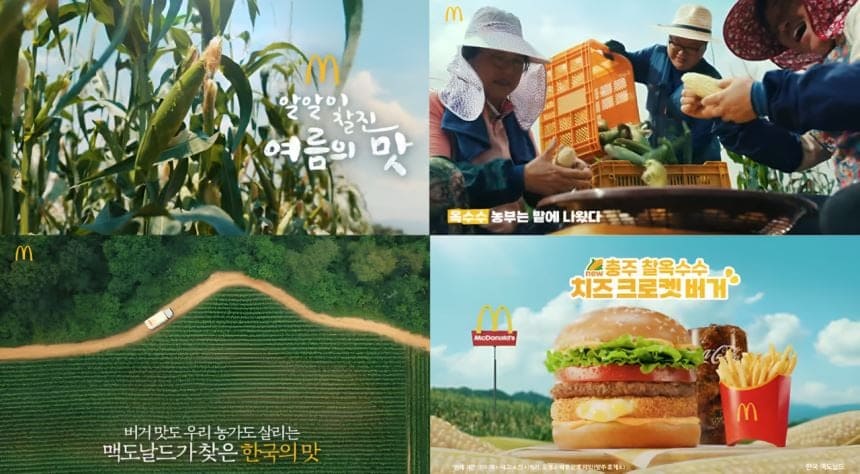
3. Joint Investigation with Farms & Suppliers: "Real Pebbles vs. Unprocessed Corn Kernels"
McDonald's South Korea is currently conducting a joint investigation with local corn farmers and raw material processing suppliers to determine how the hard objects entered the product line and pinpoint the exact root cause.
Online communities and social media platforms showed divided consumer reactions. While some users expressed disappointment saying, "It was my favorite burger this summer, sad to see it disappear so fast," others shared negative experiences from their purchases.
- "I bit into something hard as a stone while chewing the burger, leaving my jaw sore."
- "Rather than an actual rock, it felt like an unpopped, extremely hard corn kernel similar to unpopped popcorn."
- "Given the nature of agricultural produce, it could be a hard corn germ or kernel that wasn't properly softened during processing."
As netizens speculate over whether the issue stems from inadequate filtering during raw material processing or external contamination such as gravel, McDonald's stated it is awaiting final laboratory analysis results.
If formal testing confirms the issue was caused by processing errors rather than foreign debris, a major overhaul of the manufacturing line will be unavoidable. Conversely, if external contaminants like soil or rocks are discovered, accountability regarding raw agricultural washing and inspection steps will inevitably be raised. McDonald's reiterated its commitment to establishing additional corrective measures as soon as the investigation concludes.
Joint Root Cause Analysis Underway! A detailed investigation with farms and suppliers is investigating whether the objects were external stones or hard, improperly processed corn kernels.
4. 'Safety First' Decision Praised… Strengthening Ingredient Inspection Remains Key
Industry observers generally view McDonald's rapid decision for early discontinuation as a responsible crisis response that prioritized consumer safety over short-term financial revenue losses.
Acting transparently by pulling products across 400+ nationwide franchises and corporate stores upon receiving just three complaints—rather than concealing or delaying response—acts as a positive corporate risk management strategy.
However, since the 'Taste of Korea' project is a signature brand built on supporting regional agriculture, McDonald's now faces the task of strictly revamping its quality control and foreign substance filtering protocols during the purchasing and primary processing stages of local produce.
To successfully maintain local ingredient sourcing initiatives in the future, establishing a comprehensive supply chain monitoring system is imperative. Transparently disclosing the investigation findings and preventive measures will be crucial for rebuilding consumer trust. Attention is now focused on whether this incident will prompt stricter raw material screening standards across the broader food service sector.
Risk Management & Next Steps! While the rapid sales halt earned positive risk management reviews, re-establishing primary agricultural inspection criteria is necessary to maintain project trust.
| Category | Key Details & Timeline |
|---|---|
| 1. Product Name | McDonald's S. Korea 'Taste of Korea' Vol. 6 |
| 2. Reason for Halt | 3+ customer reports of biting into pebble-like hard objects while eating |
| 3. Action Taken | Directive issued July 30 at 8 PM ➔ Sales ended & promotional content removed July 31 |
| 4. Performance | Sourced 25 tons of Chungju corn; passed 1M units sold in 3 weeks; released 'Chungju-ssi' goods |
| 5. Future Plans | Joint investigation underway with farms and suppliers to trace object entry routes and causes |
[Key Takeaways] 5 Summary Points on McDonald's Corn Burger Discontinuation
1. Hard Object Controversy: Multiple customer complaints were received regarding hard, stone-like objects in the corn croquette burger.
2. Preemptive Early Exit: Sales ended early on July 31st under internal safety guidelines mandating action after 3+ identical complaints.
3. Hit Product Cut Short: Sourced 25 tons of local corn, achieved 1 million sales, and produced mascot merchandise before facing early withdrawal.
4. Joint Investigation: McDonald's, local farmers, and suppliers are analyzing whether the objects were real stones or unrefined corn kernels.
5. Safety-Centric Response: Quick risk management executed by pulling store guidelines and removing digital advertising materials immediately.
Related Tags (9): August_1__2026, McDonaldKoreaChungjuCornBurger, McDonaldPebbleComplaint, McDonaldFoodSafetyHalt, TasteOfKoreaProject, ChungjuSsiGoods, EarlyDiscontinuation, CustomerFirstPolicy, StickyCornCroquette
728x90
반응형
그리드형(광고전용)
댓글 영역